Hot Water Heater Maintenance: A Hard Water Homeowner's Guide to Anode Rods and Softeners
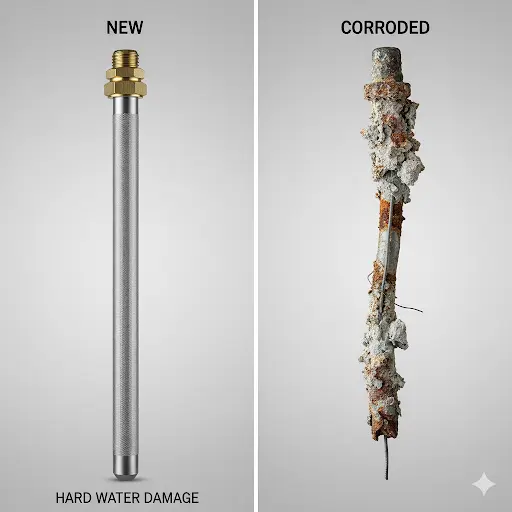
For many homeowners, the hot water heater is one of those "out of sight, out of mind" appliances – until it's not. A sudden lack of hot water or a leaking tank can quickly turn into a major headache and an expensive repair. But for those living in areas with hard water, proactive hot water heater maintenance is even more crucial. Hard water, rich in minerals like calcium and magnesium, can significantly shorten the lifespan of your unit if left unchecked.
Life is Content!! My son is a young homeowner who often consults his dad for good maintenance tips. This time, the call was about his six year old water heater, and it taught us all a good lesson.
Let's dive into some key maintenance tips, focusing on what hard water homeowners need to know to prevent premature water heater tank failure.
The Sacrificial Anode Rod: How Often to Change It with Hard Water
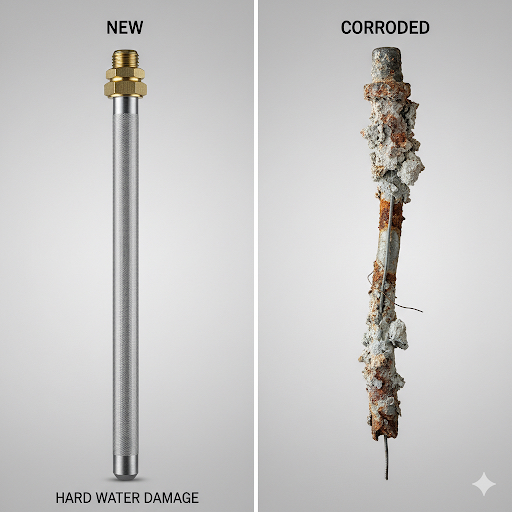
Inside your water heater tank, there's a vital component often overlooked: the anode rod. This rod, typically made of magnesium, aluminum, or a blend, is sometimes called a "sacrificial" anode rod for a very good reason.
What does it do? The anode rod’s purpose is to corrode instead of the steel lining of your water heater tank. Water, especially hard water, and the various metals in your tank create an electrolytic process that can lead to rust and corrosion. The anode rod, being a more reactive metal, "sacrifices" itself by attracting these corrosive elements, protecting the tank itself.
Anode Rod Replacement Frequency for Hard Water Homes
This is where hard water makes a big difference. In areas with extremely hard water, the anode rod can deplete much faster. While a general recommendation for changing an anode rod is every 3 to 5 years, hard water homeowners should consider checking and potentially replacing their anode rod every 2 to 3 years, or even annually if your water is exceptionally hard. A plumber can inspect the rod during a routine service. A heavily corroded, thin, or completely dissolved rod indicates it's time for a replacement.
Water Softeners and Your Water Heater: Understanding Corrosion and Anode Rods
Many hard water homeowners opt for a water softener to combat the negative effects of minerals on plumbing fixtures and appliances. While water softeners are a fantastic investment, it's important to understand how they interact with your water heater.
The Good:
• Reduced Scale Buildup: This is the primary benefit. Softened water significantly reduces the accumulation of mineral scale (limescale) inside your water heater tank and on heating elements. Scale acts as an insulator, making your water heater less efficient and forcing it to work harder, ultimately shortening its life.
• Improved Efficiency: With less scale, your water heater heats water more efficiently, saving you money on energy bills.
The Potential Downside (and what to do about it):
• Accelerated Anode Rod Depletion: While water softeners remove hardness minerals, the softened water can become more "aggressive" and accelerate the corrosion of a standard magnesium anode rod. The dissolved solids in softened water, particularly chlorides from the regeneration salt, can make the water more conductive and increase the galvanic corrosion rate of the anode.
• The Solution: If you use a water softener, consider switching to an aluminum/zinc anode rod or a powered anode rod. Aluminum/zinc rods are often more resistant to the effects of softened water. Powered anode rods use an electrical current to provide continuous corrosion protection, eliminating the need for a sacrificial rod altogether and are often a superior solution for homes with water softeners.
Other Essential Maintenance Tips for Hard Water Homes
1. Flush the Tank Annually: Sediment buildup from hard water is a major problem. These mineral deposits can settle at the bottom of your tank, reducing efficiency, causing rumbling noises, and potentially leading to premature tank failure. Flushing the tank annually (or even bi-annually in extremely hard water areas) helps remove these sediments.
2. Inspect the Pressure Relief Valve (TPR Valve): This crucial safety valve must be tested annually. Gently lift the lever. A small amount of water should flow out and then stop when you release the lever.
3. Check for Leaks: Regularly inspect the area around your water heater for any signs of leaks or rust. Catching these early can prevent significant water damage and is a key part of preventative hot water heater maintenance.
Investing a little time and effort into your water heater’s maintenance, especially if you live with hard water, will pay off in the long run. You’ll enjoy more reliable hot water, lower energy bills, and significantly extend the life of your water heater.
Categories
Recent Posts